
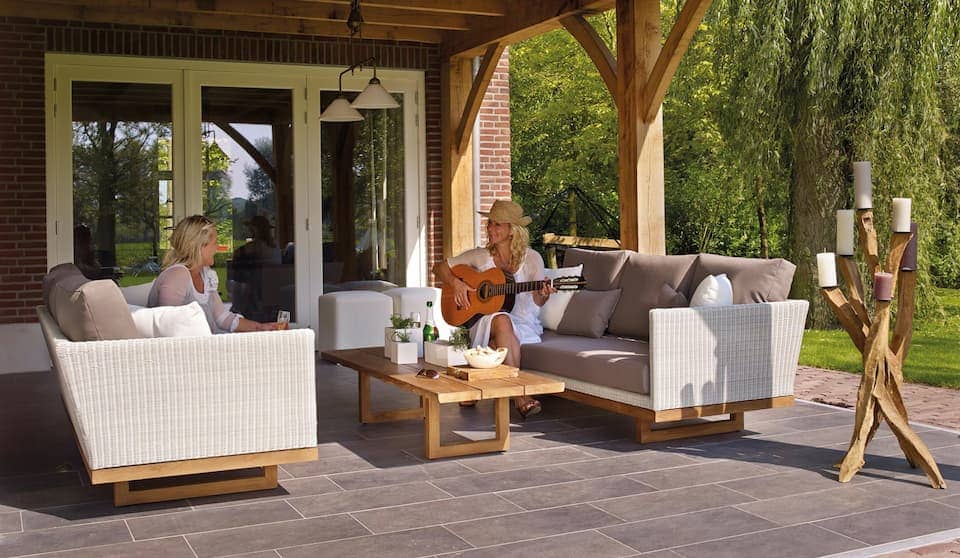
The benefits of glass patio doors are easiest to appreciate when the door fits the way you use the room. More daylight, a garden view and convenient outdoor access can make a real difference. The operating style, screen and threshold decide whether those benefits remain convenient every day.
Sliding patio doors save swing space. French patio doors can offer a different clear opening when both leaves are used. Before choosing either, sketch the furniture, outdoor seating and route through the doorway.
1. Bring daylight further into the room
A glazed patio door can brighten the area beside a garden or courtyard without relying on a small window alone. That can be useful in a Toronto home where neighbouring buildings or a deep floor plan limit daylight.
More glass also changes glare and sun exposure. Look at the room when you normally cook, work or watch television. If sunlight already overheats the space, compare the proposed glass package and shading plan rather than assuming maximum glass area is always the best choice.
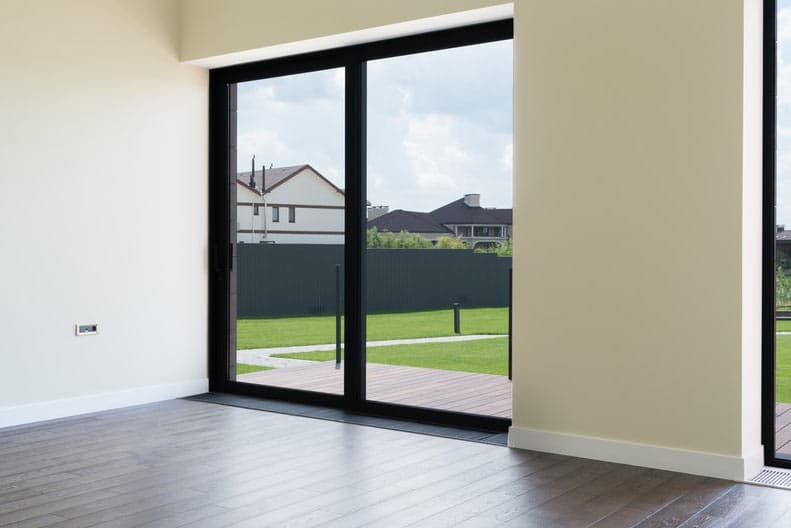
2. Keep a view of the outdoor space
A patio door can make the garden feel connected to the living room even when it is closed. Compare the view from the sofa or dining table, not only while standing in front of a showroom display.
Frame width, fixed panels and meeting stiles interrupt the view in different places. Two products sized for the same wall opening may leave different amounts of visible glass. Ask for the actual panel layout before making the final selection.
3. Improve comfort when the existing assembly is failing
Energy-efficient patio doors can be part of an upgrade where the current door has poor glazing, damaged seals or an unsuitable installation. The useful comparison is the complete assembly: glass, frame, weatherstripping, sill and the surrounding opening.
Look at whole-door performance information and the room's sun exposure. Additional panes or a tinted appearance do not settle the choice on their own. A well-specified door still needs the correct installation and drainage details.
Repair may be enough when the main problem is worn weatherstripping, rollers or an isolated failed glass unit. Describe the symptom first. Replacing glass will not correct a distorted frame, and replacing the entire door may be unnecessary for a serviceable operating component.
Natural Resources Canada’s ratings guide distinguishes a centre-of-glass value from the performance of the complete product. Ask which value appears in the quote.
4. Make the garden easier to use
A convenient entrance encourages you to use the patio for meals, gardening and everyday trips outside. That convenience depends on the patio door clear opening, handle effort and threshold, rather than the overall width printed in a brochure.
A conventional two-panel slider leaves one panel in place. A narrow wall opening can therefore produce a surprisingly restricted passage. A hinged pair may provide a larger opening with both leaves released, but each leaf needs room to swing.
Measure the route for the largest object you regularly move, and consider mobility aids, a stroller or a tray carried with both hands. Check screen passage too. Screens are useful for insects, but ordinary insect screens should not be relied on to contain children or pets.
5. Save swing space with a sliding layout
A sliding panel stays alongside the fixed panel instead of sweeping across the floor. That can help where the kitchen table sits close to the entrance or the deck is too small for an outward swing.
The handle, lock and approach still need clear space. Test whether you can operate the panel comfortably from inside and outside, including with the screen in use. Ask how the rollers and track are serviced if operation becomes heavy.
A French-door layout may be the better choice when opening width matters more than furniture space. Our residential glass-door comparison also covers bifold and stacking options for wider openings.
Plan your everyday route
Choose a door style and a practical concern. Use the drawing and checks to prepare your room sketch and questions for the supplier.
6. Shape a more practical indoor-outdoor layout
A well-placed glazed entrance can connect the kitchen to outdoor dining or the family room to a play area. Plan the whole route, including steps, landing space, furniture and where wet footwear will go.
For hinged doors, check whether an outward swing conflicts with snow accumulation or deck seating, or an inward swing conflicts with furniture. For either type, review the threshold and drainage details rather than choosing the lowest-looking sill without considering weather exposure.
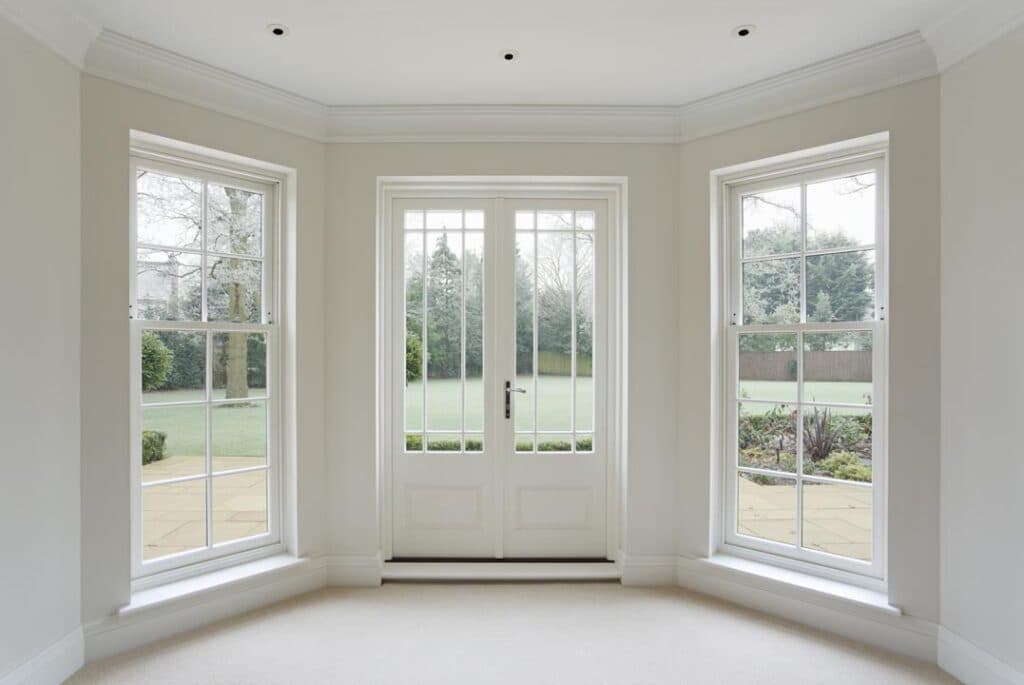
If the project involves widening a wall opening or converting a window into a door, the work extends beyond glazing. Structure, exterior finishes and any required approvals need to be part of the plan before the door is ordered. Choose the change for the way you will use it, without relying on a promised resale return.
7. Choose glazing, screens and hardware around your priorities
Patio-door systems offer different glass packages, locks, handles and screen arrangements. Those choices let you focus on the issue that matters: light, quieter rooms, easier operation or improved weather sealing.
Safety glazing and forced-entry performance are separate considerations. Ask about the exact assembly if security is a priority; no generic glass type or added film makes every door unbreakable. For noise, request relevant performance information for the complete door rather than assuming thicker-looking glass will solve it.
Compare future care as well. Identify which seals, rollers, locks and screen components can be replaced, and check the warranty's labour coverage. A readily serviceable system can be easier to live with than one selected only for its initial appearance.
Questions worth resolving before ordering
Are French doors always wider to walk through?
No. Compare the actual clear opening for the specific products, first with the everyday leaf or panel open and then with the full system open. The answer depends on the configuration, frame and hardware.
What if the door leads to an enclosed sunroom?
If the sunroom is outside the home's conditioned space, the connecting door still has a thermal-separation job. Explain how the sunroom is heated and used before selecting what might otherwise look like an interior door.
Do I need a new door if the glass is foggy?
Moisture trapped between sealed panes can call for glass-unit replacement if the surrounding door is suitable. Surface condensation and a door that leaks around the frame need different investigations. Establish where the moisture is before ordering.
Start with the condition of the existing door
Glass Repair Canada offers sliding-door repair in Toronto. If your door sticks, will not lock or has damaged glass, send photos and describe when the problem occurs. A patio door repair assessment can establish what can be retained and whether glass, hardware or a wider replacement scope is needed.
Discuss your patio-door repair