
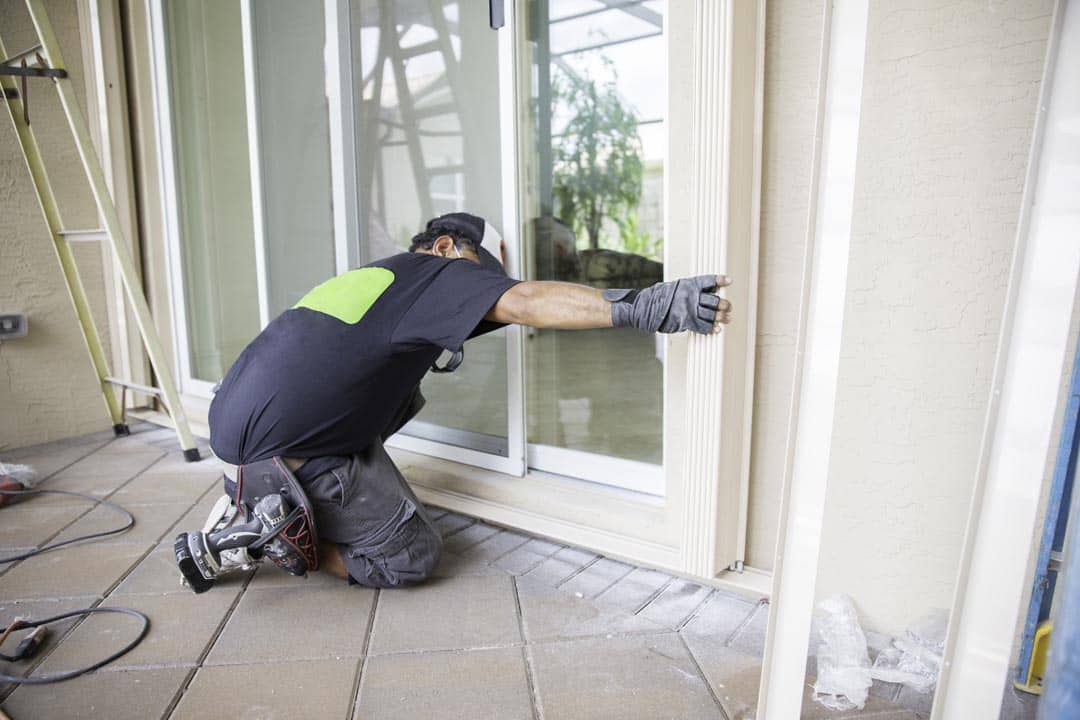
Learning how to choose windows for your home starts with the room and the problem you want to solve. A kitchen window needs reachable controls, a bedroom may need quieter glass and suitable emergency access, and a sunny living room may need glare control more than extra glazing.
Use the steps below to compare function, performance and installation together. This helps avoid buying an attractive window that is awkward to open or does not address the reason you wanted to replace it.
1. Decide what needs to change
Write down the problem at each opening: failed glass, a sticking sash, drafts, water entry, too little daylight or an unwanted view. Some problems call for targeted repairs rather than a complete new window.
If the glass has failed but the surrounding sash and frame are sound, a replacement sealed unit may be suitable. Deteriorated framing or a leak around the wall opening needs a wider assessment. Start with the window repair versus replacement guide if the scope is unclear.
Keep your design goals separate from defects. Wanting a different colour or opening style is a valid reason to change a window, but it should not be presented as proof that a serviceable assembly has failed.
2. Give each room a practical priority
Living rooms and dining rooms
Check the view from the sofa or table and the direction of the sun during the hours you use the room. Large glass areas can improve daylight while creating glare on screens or uncomfortable warmth. Compare visible glass area, shading and the position of any opening panels.
Allow for furniture and window coverings. A window behind a deep sofa may be difficult to reach, and a grille pattern or thicker frame can interrupt the view you hoped to improve.
Kitchens
Try the handle location across the actual counter depth. Include the tap, backsplash and screen. A crank can be convenient in some layouts, but the closing and locking controls still need to be reachable.
Check how the outside face will be cleaned safely. An outward-opening sash must also clear walkways, landscaping and adjacent structures.
Bedrooms
Balance morning light, street noise, privacy and blackout coverings. If quiet is important, request sound-performance information for the complete proposed window rather than relying on pane count.
Before reducing an opening or replacing an operable window with fixed glass, have applicable emergency-opening requirements checked for the room and project. The usable opening and ability to operate the hardware matter, not just the overall frame size.
Bathrooms
Test obscure glass with the interior lights on. Frosting can obscure detail without eliminating silhouettes, especially when someone stands close to the pane.
An opening window can contribute to ventilation when conditions allow, but a bathroom still needs appropriate moisture control. Repeated condensation or mould should not be treated as a window-style problem alone.
Use these checks to prepare the room brief. The selector does not approve a product or determine emergency-opening compliance.
3. Compare window styles for homes by operation
Fixed
Fixed windows do not open. They can suit places where a view is the goal and opening function is not required, but they are not a substitute for required ventilation or emergency access.
Casement and awning
Casement windows swing outward from side hinges, usually using a crank. Awning windows hinge at the top and open outward at the bottom. Check their exterior projection, hardware reach and screen position.
Hung and sliding
Single-hung windows raise the lower sash while the upper sash stays fixed. Double-hung windows allow both sashes to move. Sliding windows open horizontally. For each model, check the clear opening, operating effort and whether its cleaning features are accessible from a safe position.
Casement vs double-hung windows
There is no universal winner. A reachable crank may work well above a counter, while a hung window may avoid an outward sash projecting into a walkway. Tilt-in cleaning features, air-conditioner compatibility, screens and replacement hardware can change the decision.
Try the actual product instead of judging from the operating label. Whole-window performance varies by model, size and specification.
4. Read the whole-window ratings
For energy-efficient windows in Canada, compare certified products and the exact model being quoted. Whole-window ratings include the assembly; a centre-of-glass value describes only the glass and is not the same comparison.
| Rating | What it tells you | How to compare it |
|---|---|---|
| U-factor | Heat transfer through the rated product. | Lower means less heat transfer. |
| SHGC | Solar heat admitted through the glazing. | Consider sun exposure, summer comfort and useful winter sun. |
| VT (visible light) | Visible light passing through. | Consider daylight needs, glare and shading. |
These measures answer different questions, so the lowest number is not automatically the goal for every rating.
For a room that overheats in afternoon sun, discuss solar control and shading. For a darker room, compare daylight along with insulation. Check Canadian ENERGY STAR certification where relevant, and keep quoted models and glass packages consistent when comparing prices.
Natural Resources Canada’s ratings and certification guide explains these measures and the distinction between centre-of-glass and whole-product performance.
5. Compare frame materials and the visible glass area
Window frame materials influence appearance, maintenance and product design. Vinyl, wood, fibreglass, aluminum and composite products vary within their categories; the material name alone does not establish performance or service life.
Look at frame samples side by side. A bulkier replacement frame can reduce the visible glass within an existing opening. Ask about available colours, permitted repainting, finish care and parts support. For metal framing, compare the thermal design of the actual product rather than assuming all metal frames perform alike.
Glass options are another decision. Low-E coatings, insulated units, safety glazing, privacy finishes and acoustic packages serve different purposes. Choose the combination that meets the room's needs and is compatible with the assembly.
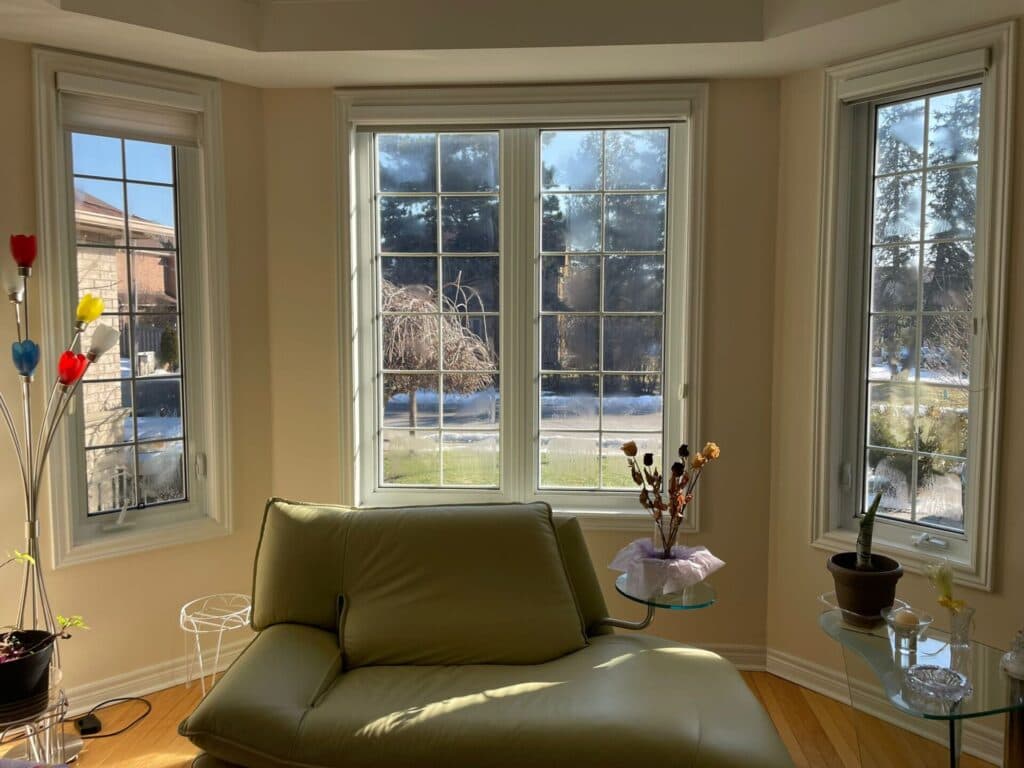
6. Specify how it will be installed
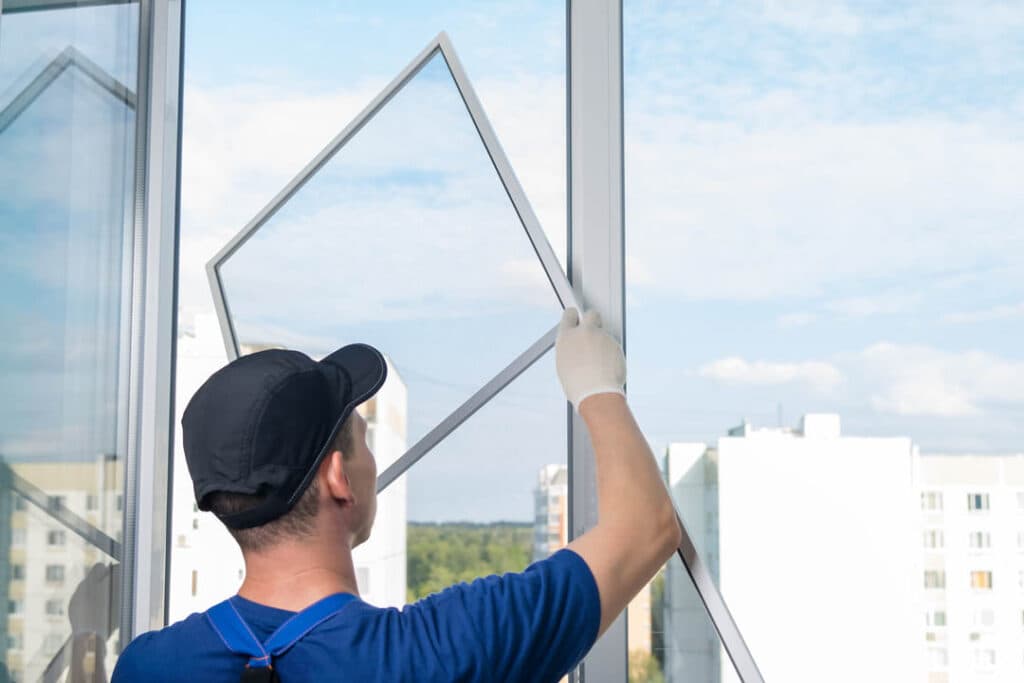
Glass-only replacement retains suitable existing frames and sashes. An insert replacement keeps suitable surrounding framing. Full-frame replacement removes more of the assembly and can expose the opening for inspection and repairs.
Ask which approach is proposed and why. Identify removal, flashing and air sealing, interior trim, exterior finishing and disposal. If hidden deterioration is uncovered, agree how the additional work will be documented and approved before it proceeds.
For Toronto condos or homes with protected exterior features, check the relevant property or heritage requirements before changing appearance or opening size. An attractive new model is useful only if it is appropriate for the building and installation.
7. Compare a written window schedule
List every opening with its room, size, operating style, frame product, glass package and installation scope. Add access needs, screens and finishes. This makes two quotations far easier to compare than two whole-house totals.
Ask who confirms final measurements before manufacture, who handles warranty claims and whether labour is included. Our Ontario window replacement cost guide explains budget scope and quote differences.
Prepare the record for one opening
Use this worksheet to organise the enquiry. Final fabrication measurements and specifications still need the supplier’s confirmation.
Questions to settle before comparing quotes
Should every room have the same window style?
Not necessarily. Compare how each room is used, control reach, sunlight, privacy and any required ventilation or emergency access. Keep the whole elevation in mind when matching appearance.
Is a lower number better for every window rating?
No. A lower U-factor means less heat transfer. SHGC and visible transmittance describe solar heat and visible light, so their suitability depends on the room, exposure and shading.
Can replacement glass keep the existing frame?
It may be possible when the sash and frame are suitable and the problem is in the glass unit. Deterioration, operating faults or water entry around the opening may need a wider assessment.
Start with the problem at each opening
If damaged or failed glass is the main concern, Glass Repair Canada offers residential window glass replacement. Share photos and the problems at each opening so glass-only work can be considered before committing to a wider replacement.
Discuss replacement window glass