
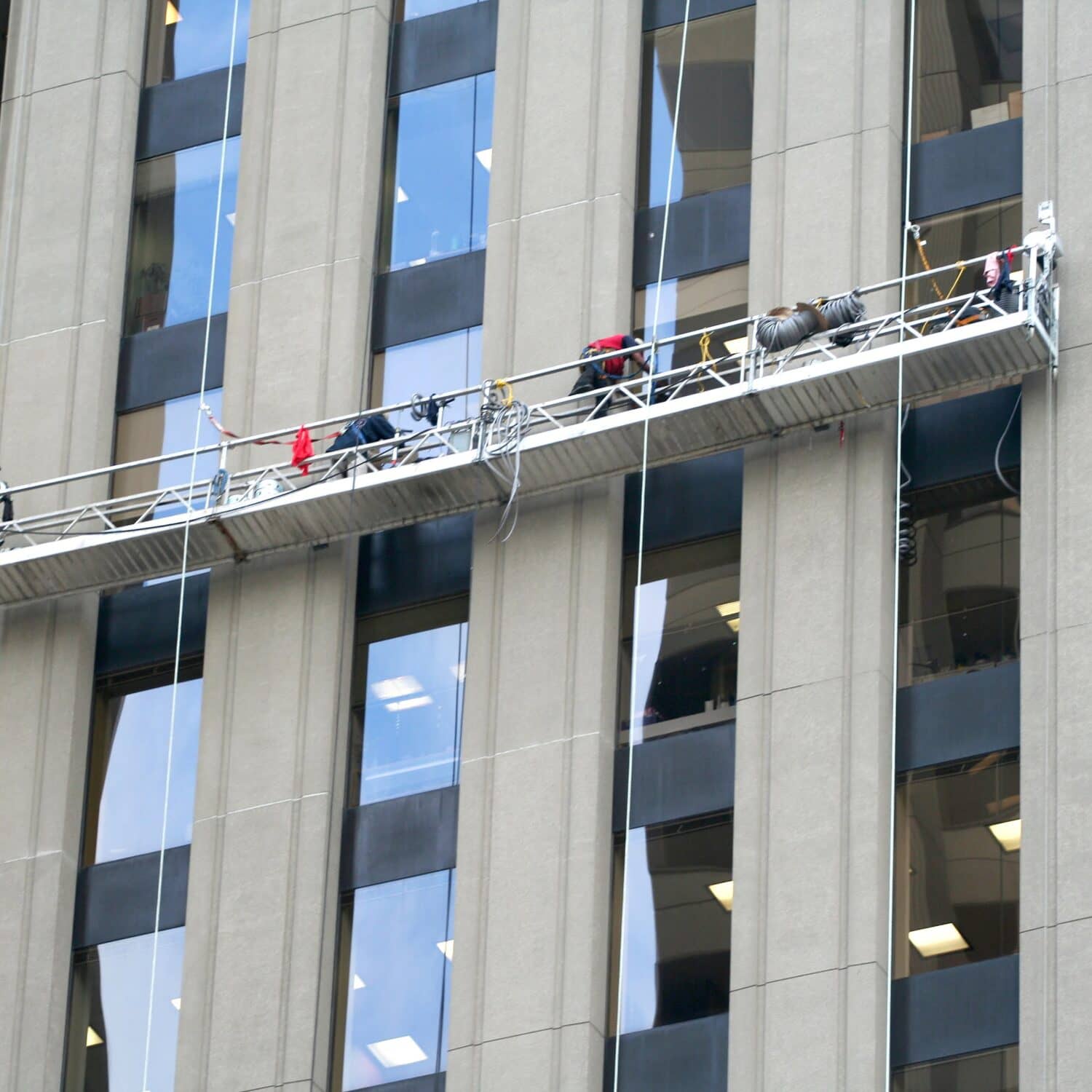
Low-E glass, short for Low-Emissivity glass, is designed to improve energy efficiency, reduce heat transfer, and block harmful UV rays while still letting in natural light. Our types of window glass guide explains how a low-E coating combines with the insulated unit. For older homes, outdated windows often mean higher energy bills, drafty rooms, and fading interiors. This raises the question: Is upgrading to Low-E glass worth it in an older home?
In this article, the experts at Glass Repair Canada explain what a low e window is, outline the benefits and disadvantages, explore retrofit and replacement options, compare costs, and answer common questions to help you make an informed choice.
Key Takeaways
What Is a Low-E Window?
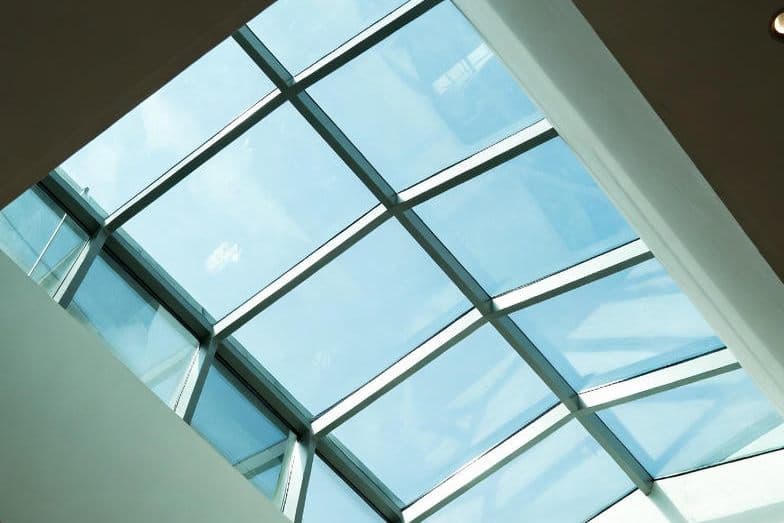
A low e window uses a nearly invisible metallic coating applied to glass that reduces heat transfer without blocking light. This thin layer reflects infrared energy, keeping interiors warmer in winter and cooler in summer while reducing UV damage to furnishings.
There are two main types: hard coat Low-E, which is fused directly to the glass and offers durability in colder climates, and soft coat Low-E, which is more energy-efficient year-round but more delicate. Placement of the coating also matters. Surfaces 2 or 3 are ideal in colder climates to retain heat, while surface 2 is best in warmer regions to limit solar heat gain.
For older homes with single-pane or outdated double-pane windows, upgrading to Low-E technology can significantly improve performance, making living spaces more comfortable and energy bills lower compared to traditional glass.
Benefits of Low-E Glass
Installing Low-E windows can significantly improve comfort and efficiency in older homes. Below are some of the key benefits of low-e glass:
Together, these benefits make Low-E glass an attractive upgrade for many older homes, especially when paired with proper insulation and sealing.
Disadvantages of Low-E Glass
While Low-E windows offer strong advantages, it’s important to consider the potential disadvantages of Low-E glass before making the investment:
Overall, while these drawbacks may not outweigh the long-term performance benefits, homeowners should weigh them carefully alongside budget and climate considerations before committing to an upgrade.
Upgrading to Low-E Glass in an Older Home
Retrofitting vs. Replacing
For homeowners not ready to replace their entire window system, see whether reglazing is enough. Applying Low-E window film onto existing glass offers a cost-saving alternative. While not as effective as new units, it still improves insulation. Upgrading to Low-E glass is recommended if windows are single-pane, drafty, or structurally damaged.
Climate & Home Condition
In colder climates, hard coat Low-E glass helps retain indoor heat. In hotter regions, solar-control Low-E glass reduces cooling costs. Whichever option you choose, it’s essential to pair Low-E with proper sealing and insulation.
Climate & Home Condition
|
Window Type |
Upfront Cost (per window) |
Energy Savings Potential |
Estimated Payback Time |
|---|---|---|---|
|
Standard Double-Pane |
$300 – $500 |
Low |
N/A |
|
Low-E Hard Coat Window |
$400 – $600 |
Moderate in cold climates |
15–25 years |
|
Low-E Soft Coat Window |
$450 – $700 |
Higher, depending on the house |
10–20 years |
|
Low-E Film Retrofit |
$50 – $100 per window |
Moderate |
3–7 years |
Is Low-E Glass Right for You?
Low-E glass provides strong energy savings, improved comfort, and UV protection, but also comes with higher costs and potential drawbacks. For older homes with single-pane or inefficient double-pane windows, the upgrade can be highly worthwhile. Retrofitting with window films offers a more affordable middle ground for those on tighter budgets.
Ultimately, the decision depends on your climate, long-term goals, and financial considerations. If you’re considering upgrading to Low-E glass, Glass Repair Canada can provide guidance on installation or retrofitting options tailored to your home. Contact our team today to discuss the best approach for your property.