
Glass Repair Canada · Office & commercial planning
Frosted glass offers visual privacy while allowing some daylight to pass between rooms. Its main drawback is that privacy varies with the finish, lighting and how close a person stands to the panel.
For a business, the right choice depends on what needs screening: a desk, a meeting room, a staff area or the whole storefront. The most useful way to compare frosted glass pros and cons is to separate the glass itself from the privacy finish. A permanent etched panel, a sandblasted design and frosted glass film can look similar from a distance, but have different cleaning needs and options for future changes.
Plan the sightline first. Decide what must be screened and what must remain visible. Use the privacy-planning checklist to prepare questions for your installer.
What frosting does to the view
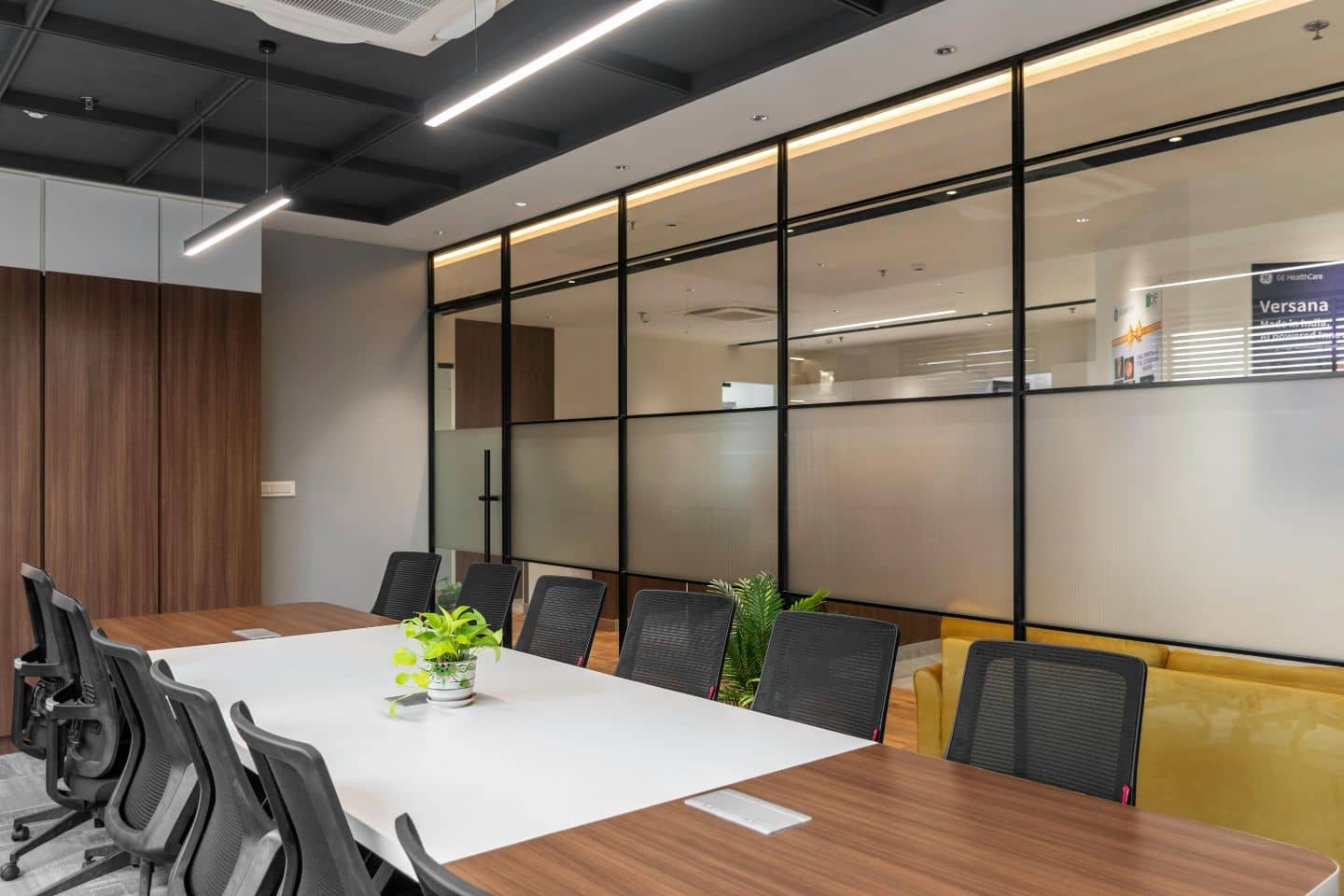
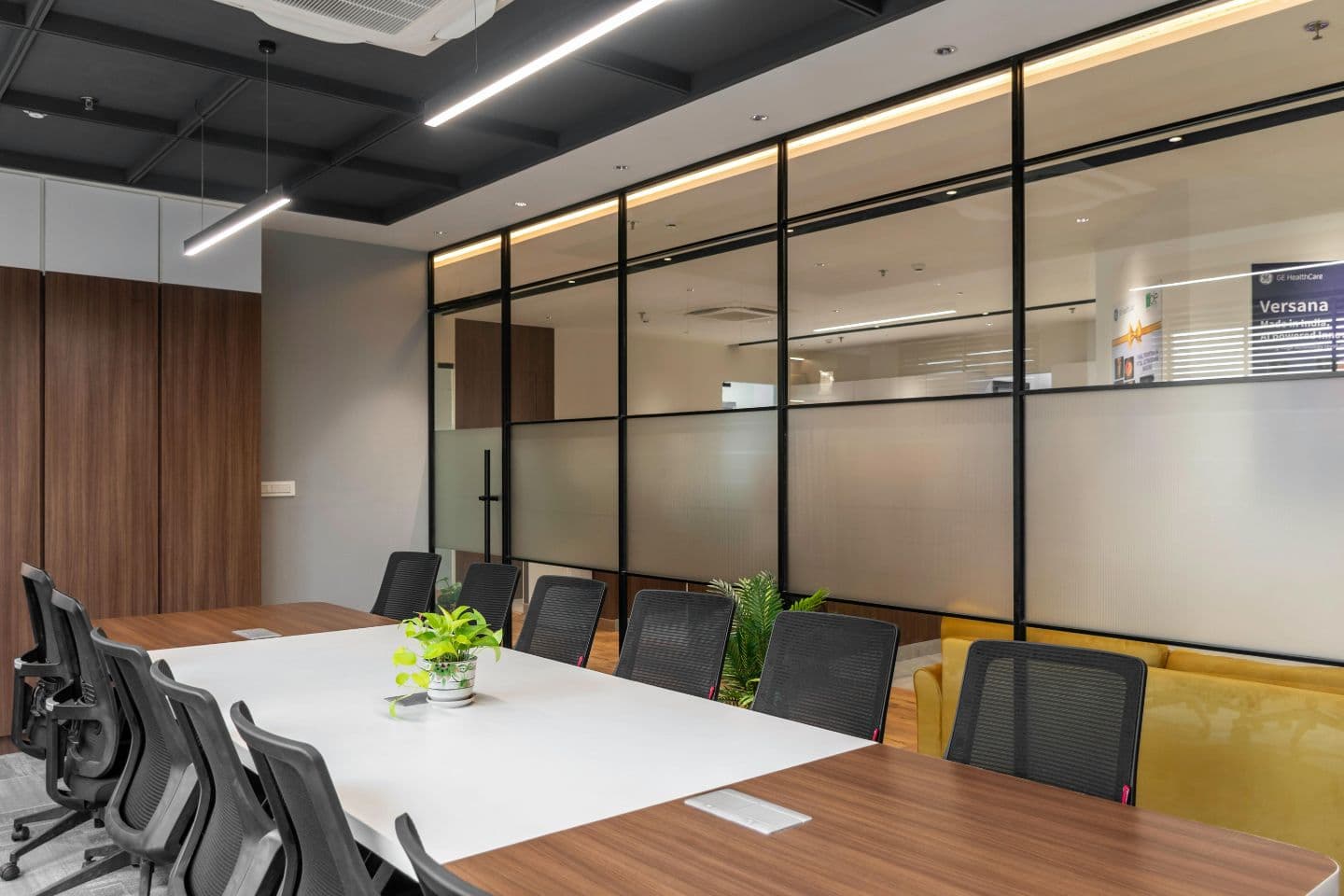
A translucent finish scatters light rather than providing a clear view through the panel. It can obscure faces, paperwork and activity, but it is not necessarily opaque. Silhouettes may remain visible, especially close to the surface or when the occupied room is brightly lit and the adjoining area is dark.
That distinction matters for an office beside a public corridor. A waist-high band may screen a seated worker while leaving their monitor visible above it. Clear borders and logos also leave sightlines. Plan the pattern around the actual task, not only the appearance of the sample.
The main advantages
Privacy without a solid wall
Office privacy glass can separate a meeting area from a circulation route while retaining some shared light. It is useful where an open view is distracting but an opaque wall would make the adjacent space feel closed off. You can treat the whole panel or only the portion that needs screening.
A finish that fits your business
Patterns, logos and privacy bands can support the room layout and visual identity. In a shop, selective frosting may screen storage or staff activity while preserving the display area. In a meeting room, a wider band can cover seated sightlines without obscuring the entire upper panel.
Options for an existing panel
Suitable film may allow a privacy update without replacing serviceable glass. This is particularly useful when a tenant expects a future branding or layout change. Confirm the existing glass, surface condition and product compatibility before treating it as a simple overlay.
The limitations to weigh up
Visual privacy is not speech privacy
Frosting does not establish an acoustic rating. Conversations travel through doors, gaps and surrounding construction as well as through the partition. A confidential meeting room needs the complete enclosure reviewed. Adding a frosted finish to a leaky door will not solve the sound problem.
Daylight can still be uncomfortable
A frosted panel can remain very bright beside a monitor. It changes how light appears, but does not automatically control solar heat or eliminate glare. Look at the proposed finish from desk height and check the product’s visible-light information where daylight is a priority.
Maintenance depends on the surface
A finish that makes fingerprints less obvious still needs cleaning. Textured surfaces, smooth etched glass and film have different care restrictions. Ask which face is treated and whether the regular cleaning team can reach it. Inspect a sample after fingerprints and an approved cleaning cycle if the panel will be touched frequently.
Permanent frosted glass or privacy film?
Acid-etched glass has a permanently treated surface, often with a smooth matte appearance. Sandblasted glass uses an abrasive treatment to create a frosted texture or pattern. Both alter the glass itself; changing a permanent design may require a replacement panel. Explore pattern and decorative glass options when you want the finish built into the new panel.
Frosted glass film is an applied layer. It may provide more flexibility for changing a logo or removing a privacy treatment later, subject to the product and removal method. Its edges and surface need suitable cleaning, and scratches or lifting may mean replacing the film. A removable product is not a promise that every old or coated glass surface will be unaffected.
| Finish | What changes | Future design changes | What to confirm |
|---|---|---|---|
| Acid-etched glass | The glass surface is permanently treated. | A different permanent design may require new glass. | Treated face, sample appearance and approved care. |
| Sandblasted glass | Abrasive treatment creates a texture or pattern. | The treatment alters the glass itself. | Texture, pattern, cleaning access and care restrictions. |
| Frosted glass film | An applied layer covers compatible existing glass. | The film may be replaced or removed, subject to the product and surface. | Surface compatibility, edge care and removal method. |
Compare the complete scope. Do not rank these options by a generic price per panel. Compare new glass supply and fitting with film preparation, artwork, application and eventual removal. The size, access and complexity of the design can change the result.
Interactive planning checklist
Build your privacy test brief
Choose your setting and priorities. The checklist below updates as you select. Use it to plan a sample test—not to predict a privacy rating.
Test the privacy before approving the pattern
Use a sample large enough to judge the intended coverage. Place it where the finished panel will be, then test it from the corridor, adjoining workstation or shopfront.
- Check the actual positions
Have someone sit and stand behind the sample, both close to the glass and farther into the room.
- Change the lighting
Repeat the check after dark with the room lights on. Look for visible screens, clear gaps and silhouettes.
- Approve coverage for the task
This answers a practical question that a showroom sample cannot: does the finish screen the activity you actually need to keep private?
What to include in the order
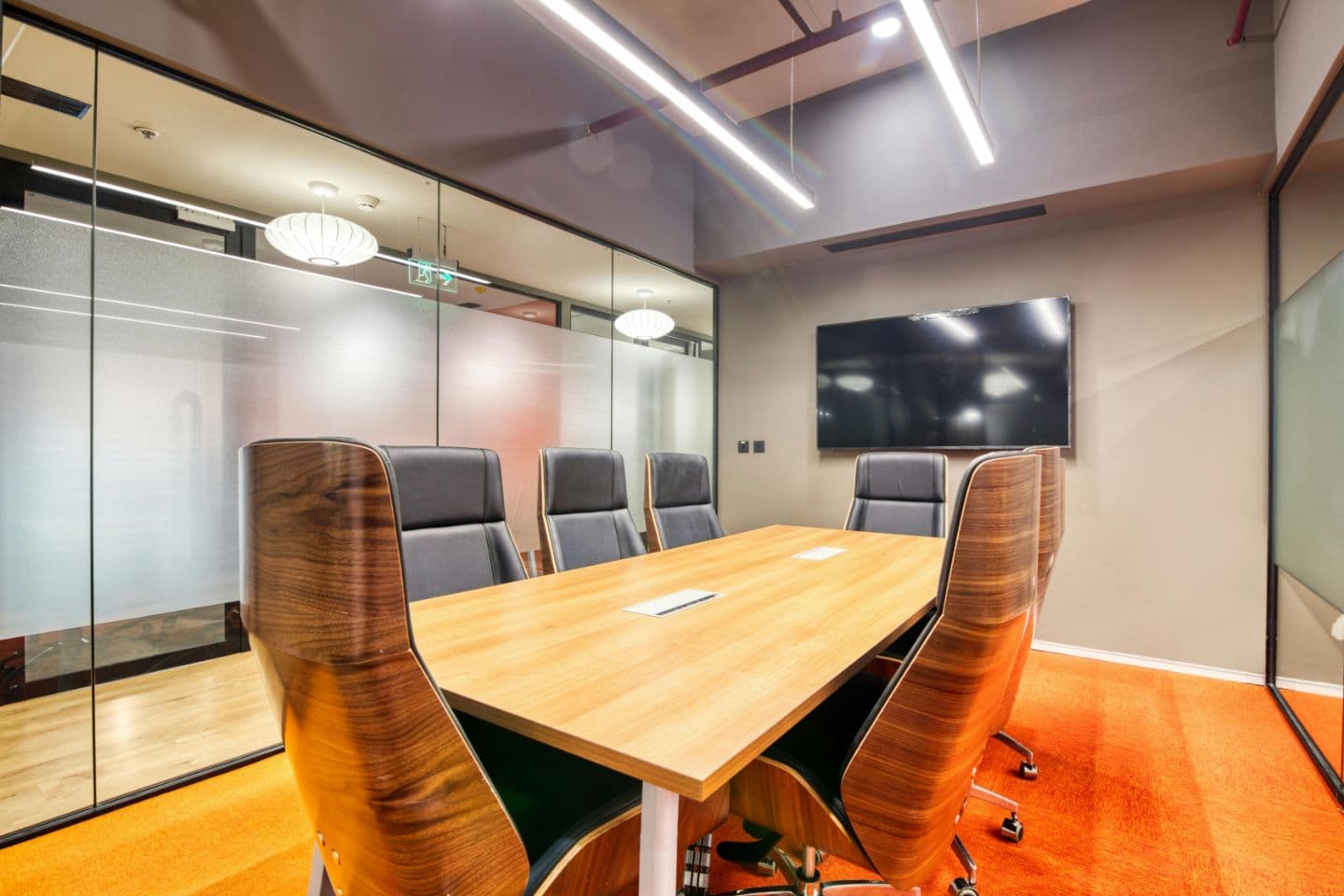
Specify the glass separately from the finish. Frosted describes appearance; it does not establish whether a panel is suitable safety glass for a door or other location.
For a replacement panel
Confirm the required safety construction, sizes, supporting fittings, finish orientation and approved pattern.
For an applied film
Confirm the retained-surface condition, product compatibility and care instructions.
Our office glass divider guide covers the wider decisions about layout, doors and privacy. If you mainly need to move daylight farther into the office, our natural-light guide explains the glare and workstation checks to make first.
Questions before you choose frosted glass
Can people see through frosted glass at night?
It depends on the finish, lighting and distance from the panel. Silhouettes may remain visible when the occupied room is bright and the adjoining area is dark. Test a suitable sample after dark before approving the pattern.
Does frosted glass make a meeting room soundproof?
No. A frosted finish does not establish an acoustic rating. Doors, gaps and surrounding construction affect speech privacy, so confidential rooms need the complete enclosure reviewed.
Can I add privacy without replacing the existing glass?
Suitable frosted film may allow this when the existing glass and surface are compatible and serviceable. Confirm preparation, care and removal requirements for the specific product before choosing it.
Is frosted glass automatically safety glass?
No. Frosted describes a finish or appearance. The required glass construction and suitability for the location must be specified separately.
Plan the right privacy treatment for your business
For a Toronto or GTA business, Glass Repair Canada can discuss custom glass and existing partition work. Send photos, panel locations and a description of what needs screening.
Include any logo or clear-view areas you want to retain so the proposed scope addresses both privacy and everyday use.