
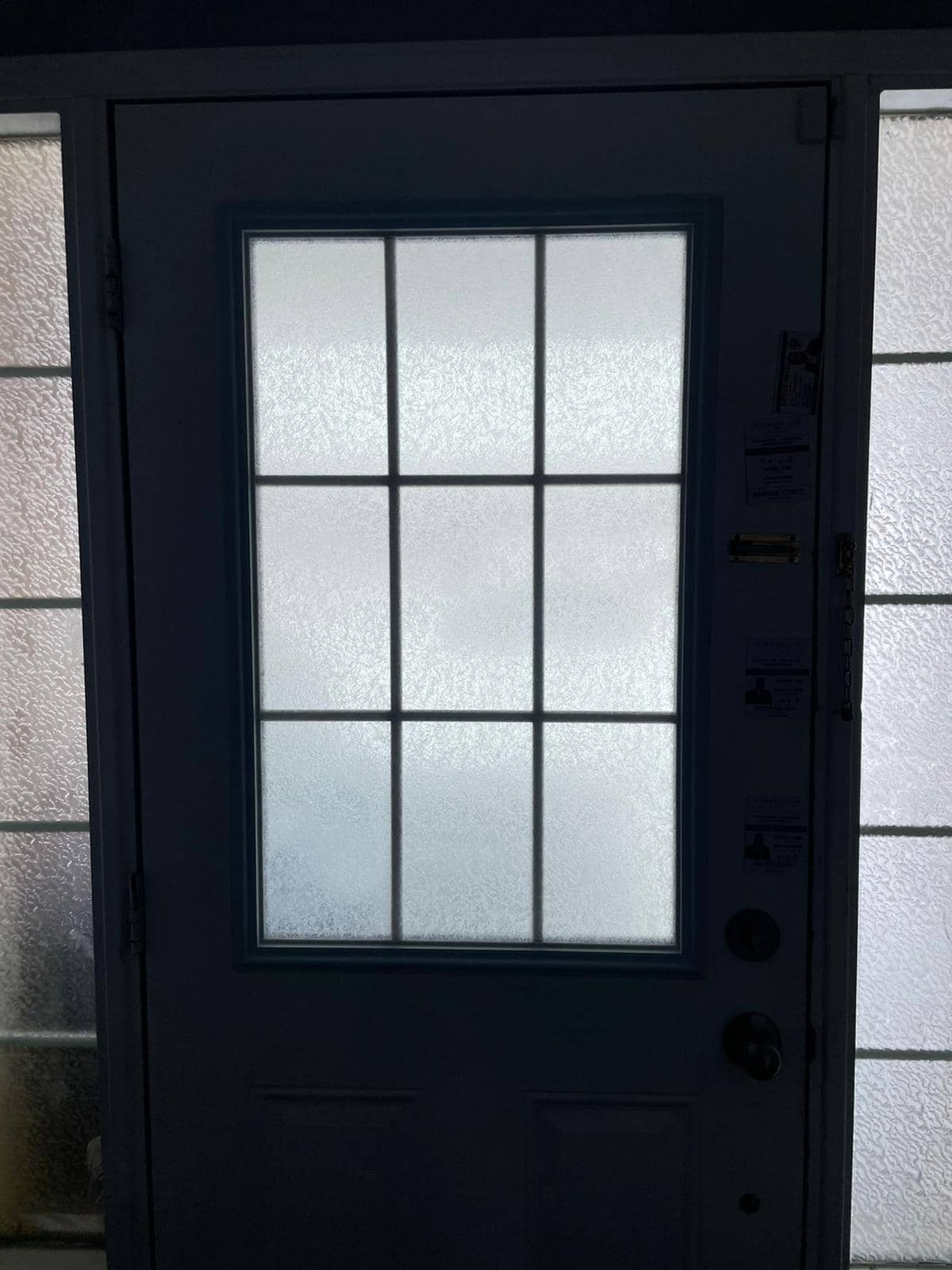
Window terminology · A visual guide
A muntin divides smaller panes within a window sash. A mullion is the member or joining arrangement between separate window units. Modern window grilles can imitate muntins even when the glass is one continuous piece. That is why a window can have both a mullion and a decorative grid.
The difference matters when you want clearer glass, a matching replacement or a repair. A removable grille, a bar sealed between panes and a member joining two windows cannot be changed in the same way.
Muntins vs mullions at a glance
Within a sash
Between window units
Simplified front-view drawings for identification. Actual profiles, joints and reinforcement vary by system.
What is a window muntin?
A traditional window muntin is a narrow bar that separates and supports individual panes in one sash. This construction is called true divided light. Each small pane is a separate piece of glass, set within the sash and its dividing bars.
Picture a six-pane wood sash. In a true divided-light version, the muntins are part of the joinery around six separate panes. In a modern grille version, the same six-pane pattern may sit on or inside a larger glass unit. The appearance from the street can be similar while the glazing work is quite different.
What is a window mullion?
A window mullion divides or joins separate window units within a larger opening. For example, a central picture window can be joined to an operable window on each side. The divisions between those units are different from the fine grid inside each window.
The mullion or mulling arrangement must suit the complete window system. Its structural role and any reinforcement depend on that design. A wider view may require a different window assembly rather than removal of an existing bar.
Four grille constructions to recognize
True divided lights
Separate panes are held within the sash by real dividing bars. Repairing one pane may be possible, but the surrounding wood, putty and paint condition affects the work. Older painted joinery needs appropriate assessment before finishes are disturbed.
Simulated divided lights
Applied bars create the look of separate panes over a larger piece of glass. Some systems include an internal spacer to make the appearance more convincing. Check the exact construction: a surface bar is not automatically intended to be removed or replaced by the owner.
Grilles between the glass
These decorative bars sit inside the sealed glass unit. They keep the exposed glass faces clear for cleaning, but cannot be reached as an ordinary surface accessory. A loose internal grille or a change to its pattern can mean replacing the sealed unit.
Removable interior grilles
Some windows use a separate grid attached to the interior of a compatible sash. Where the manufacturer allows removal, this can make cleaning easier or change the appearance. Use the model-specific method and attachments rather than assuming a similar-looking grille clips out the same way.
How to describe what you have
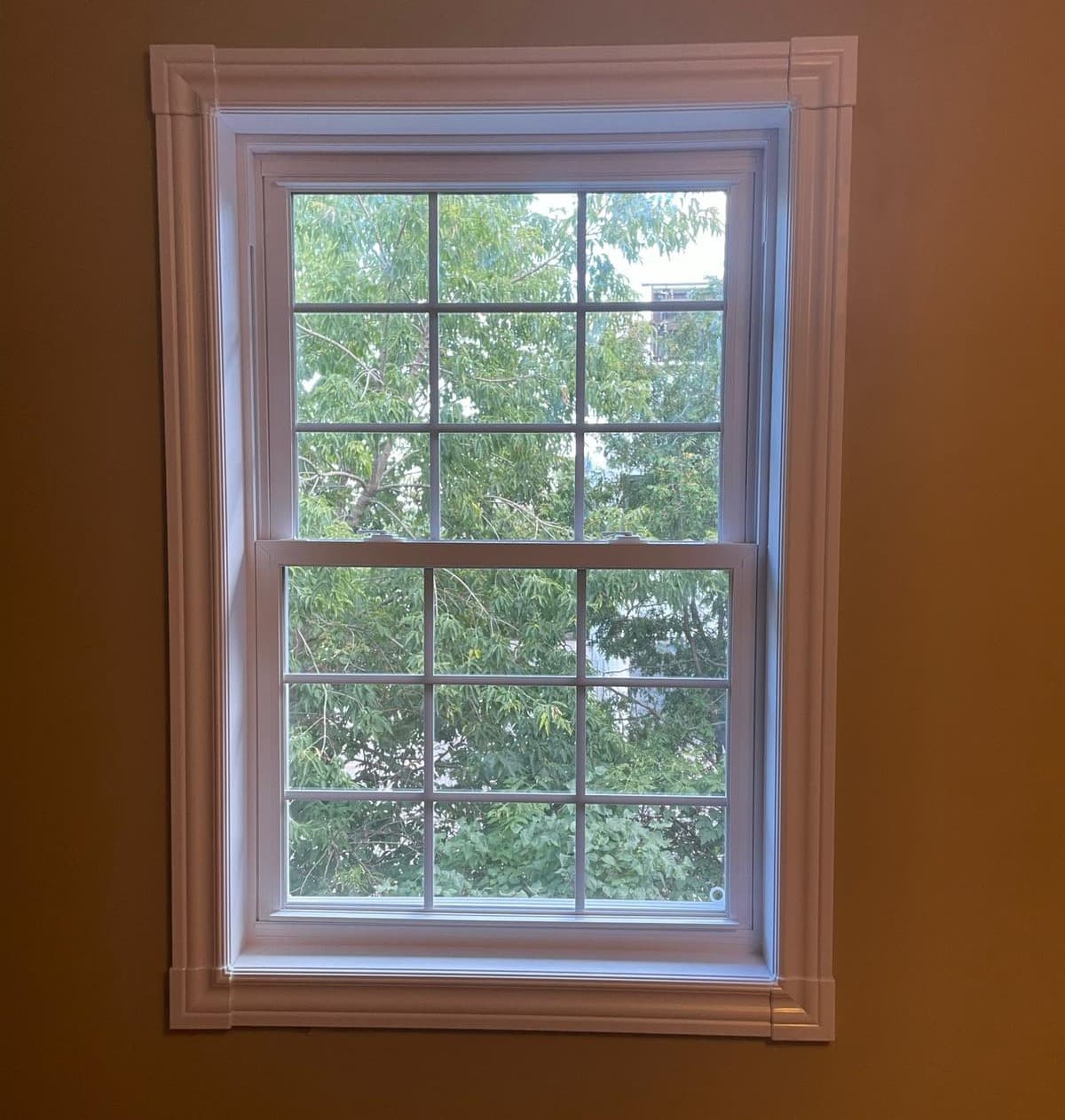
Photograph the whole window and a close-up of the bar. Note whether the pattern sits on the room-side surface, outside, between panes or around genuinely separate pieces of glass. Then check any manufacturer label and original paperwork. If you cannot tell, a clear photo is more useful than choosing the wrong part name.
For a matching replacement, record the number of rows and columns, bar width, profile, colour and alignment with adjacent windows. The replacement glass also needs its own dimensions and specification. A grille pattern is only one part of the order.
Your matching checklist
Ticks are a temporary reminder; they are not saved or sent. Final glass sizing and specification need professional confirmation.
Should you choose windows with or without grids?
Look at the whole elevation. A full grid, top-only pattern or perimeter-style pattern creates a different balance between traditional appearance and an open view. Compare options in your actual window proportions, since a pattern that suits a large opening may feel crowded in a small one.
The same opening proportions, four different patterns. These sketches show appearance only, not glass construction or product availability.
Think about care and future changes too. Exposed bars add edges to clean around; between-glass grilles leave smoother accessible faces but cannot be changed separately as a surface accessory. If you are matching one failed unit, keep the pattern consistent with the windows that will remain.
Do muntins or mullions make a window more efficient?
The names alone do not establish thermal performance. Compare the published whole-window ratings for the actual size and configuration, including the selected glazing and grille option. Frame design, air sealing and installation also affect the result. A decorative grid is not evidence of a better or worse window by itself.
Get the right scope for a repair or replacement
If the issue is foggy glass with a between-pane grille, ask about a replacement unit that matches the existing pattern. If the issue is a damaged true muntin, the sash and glazing need to be considered together. If a joining member is damaged or you want it removed, the complete window arrangement needs assessment.
Our guide to choosing the right windows covers the wider product decisions. For replacement window glass in Toronto and the GTA, send Glass Repair Canada photos of the opening, pattern and defect. Identifying the part first helps avoid ordering a decorative fix for a problem elsewhere in the window.
Muntins, mullions and grille questions
Can a window have both muntins and mullions?
Yes. A combined opening can have mullions between separate window units and muntins or decorative grids within those units. Their location and construction determine what work is possible.
Can I remove window grids for a clearer view?
Only a grille confirmed as removable should be removed using the manufacturer’s method. Applied bars are not automatically removable, and between-glass grilles are enclosed in the sealed unit. A joining member between units needs assessment before alteration.
Can a foggy glass unit be replaced with the same grille pattern?
Ask about a replacement sealed unit that matches the existing pattern. Record the rows and columns, bar width, profile, colour and alignment. Compatibility, dimensions and the glass specification also need confirmation.
Do muntins or mullions determine energy efficiency?
No. Compare the published whole-window ratings for the relevant glazing and configuration. Frame design, air sealing and installation matter too; a decorative grid alone does not establish performance.
Need to match replacement glass?
Send Glass Repair Canada the full-window photo, pattern close-up and defect details for your Toronto or GTA home.