
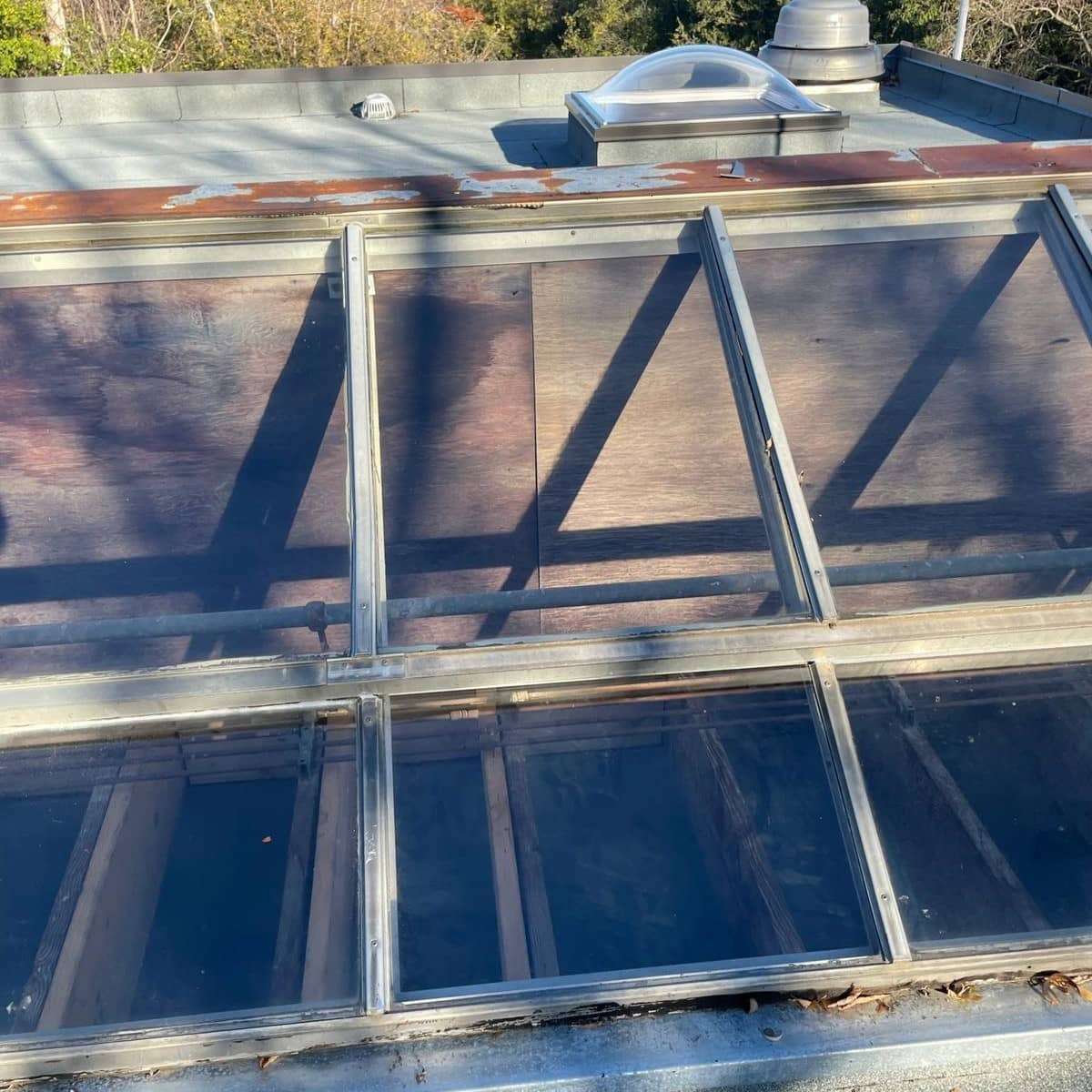
Glass Repair Canada · Condition before the calendar
Replace windows when their condition, operation or performance can no longer be put right with a suitable repair, or when you need a different window design. There is no universal age at which every window must be replaced.
A failed sealed glass unit may need attention while its frame remains usable, and a worn lock does not necessarily justify a whole-house project.
Make a condition list before collecting prices. If you are deciding when to replace windows, separate urgent defects, repairable parts and improvements you can plan over time. Use the window-priority guide for one opening at a time.
How long should windows last?
Window lifespan depends on the complete assembly: glass, sash, frame, hardware, seals and installation. Those parts do not all age at the same rate. Exposure and maintenance matter too. A sunny elevation, a persistently wet sill and a sheltered opening may develop different problems in the same home.
Regular window maintenance helps you spot changes, but it cannot establish how long every component will last. Age is useful background when checking service records and replacement-part availability. It is not a pass-or-fail test.
Keep the manufacturer’s name, model label, approximate installation year and warranty documents, then describe what the window actually does. “Installed about twenty years ago and the crank slips” is more useful than “old window.”
One window, several parts to assess
The drawing shows why the word “window” can describe very different repair scopes. A problem in the glass, hardware or surrounding opening needs to be identified before choosing what to replace.
- Glass or sealed glass unitA pane or insulated unit can fail while surrounding parts remain serviceable.
- SashThe surround that holds the glass. Its condition and how it closes matter.
- FrameThe outer window structure. Deterioration or distortion can change the repair scope.
- HardwareLocks, handles, hinges, cranks or balances depend on the window style.
- Frame-to-wall junctionWater entry or drafts may involve perimeter seals, installation or surrounding materials.
Signs your windows may need replacing
Broken glass or unsafe movement
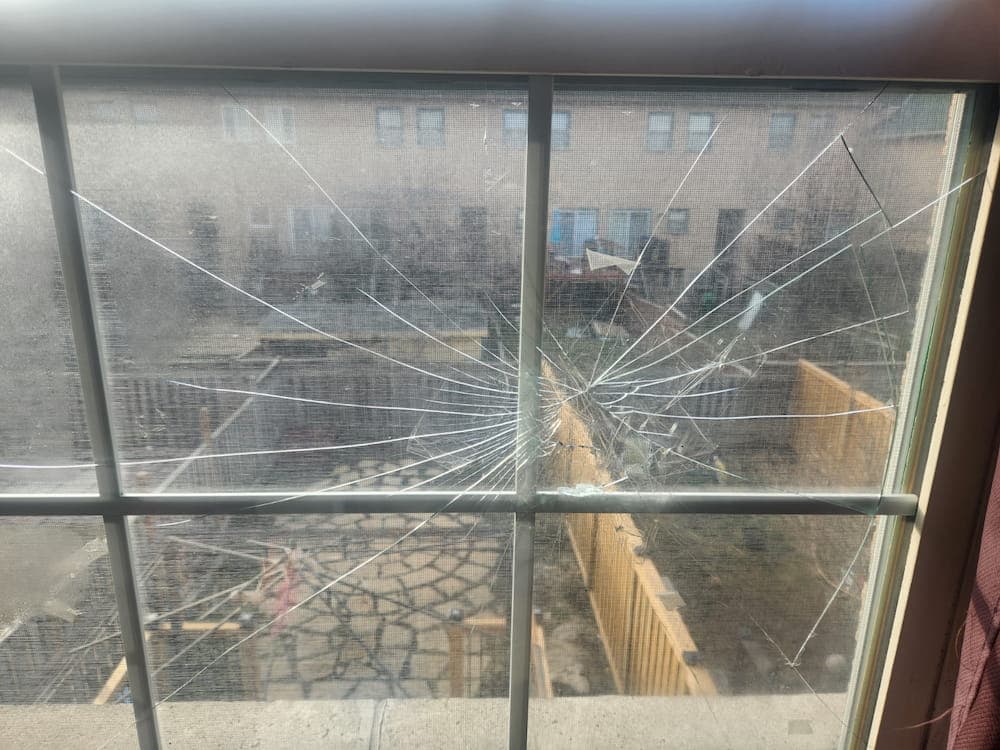
A cracked pane, loose glass, a sash that drops unexpectedly or a window that will not lock needs prompt attention. Keep people away from unstable or broken glass and avoid repeatedly operating a failing mechanism.
A window relied on for emergency escape also needs to operate as intended; a convenient seasonal repair date should not take priority over that function.
Water reaching the frame or wall
Note whether wetness appears after rain, during cold weather or after showers and cooking. Rain-related staining around trim can have a different cause from droplets on the room-side glass.
Repeated water entry can damage surrounding materials, so establish the source rather than replacing glass and hoping it solves the leak.
Persistent fog between panes
Moisture that cannot be wiped from either accessible surface may be inside a sealed glass unit. When that is the failed component, insulated-glass replacement can be possible without changing the entire frame.
Our guide to cloudy double-pane windows explains the surface check and repair options. Do not reach an unsafe or inaccessible surface to perform a check.
Urgent attention does not always mean a full replacement
The immediate concern and the final repair scope are separate decisions. Broken glass may need prompt securing or replacement even when the surrounding frame is worth keeping.
Ask the assessor to identify both the immediate problem and the components that can safely remain.
Problems that may have a smaller repair
A draft can come from worn weatherstripping, a sash that does not close evenly or gaps around the installation. A stiff window may have an obstructed track, worn balance, damaged hinge or other hardware fault. These symptoms deserve a component-level check before a full replacement recommendation.
Do not force a stuck sash or adjust unfamiliar hardware as a test. Record where it catches and whether the problem changes with the weather. Photos and the model details can help establish whether compatible parts are available. If several parts are failing or the surrounding material has deteriorated, the repair scope may no longer be economical.
One opening at a time
Which window needs attention first?
Select what you have noticed at one window. The guide highlights the first issue to raise during an assessment; it does not diagnose the defect or decide the final repair.
Replace the glass or the whole window?
Replacement becomes more relevant when the frame is deteriorated or distorted, suitable parts are unavailable, or repairs would leave major problems unresolved. It may also be the right choice when you want a different operating style, changed opening or glazing specification that the existing system cannot accommodate.
Compare three scopes clearly: glass-only work, an insert fitted within a suitable retained frame, and full-frame removal. Our reglazing versus replacing windows guide explains what stays and what changes.
A quote should name the scope and the observed reason for it. The word “replacement” should not hide the difference between replacing a glass unit and removing the entire frame.
Will new windows cut heating costs?
Better-performing windows can improve comfort, but bill savings depend on the existing windows, installation and the rest of the home. Air leakage, insulation and heating controls can also contribute to a cold room. If energy use is the main concern, a home energy assessment can help identify where the work would make the most difference.
Compare the proposed whole-window ratings and installation details. Low-E glass and additional panes are features to evaluate, not guaranteed payback periods. Also ask how indoor moisture will be managed: new, tighter windows do not remove the moisture generated by occupants, cooking and bathing.
Plan staged window replacement around the worst defects
Address the serious defects
Start with openings that present safety, water-entry or serious operating problems.
Restore useful function
Next consider repairs that restore useful function at a reasonable cost.
Plan the matching upgrades
Cosmetic changes and matching upgrades can then be planned around the budget.
For each room, record the symptom, approximate age, photographs, repair proposal and replacement proposal. If only two sealed units have failed, ask for those units to be priced separately from the rest of the house. If appearance matters across one elevation, agree how grille patterns, frame widths and glass colour will match between phases.
Plan the order and installation separately
Measuring, ordering, fabrication and on-site installation are different parts of the schedule. Ask when final measurements will happen, what must be approved before ordering and how long the opening will be exposed during the work. Weather, access, concealed damage and finishing can affect the plan.
- MeasureConfirm the scope and when final measurements will take place.
- Approve & orderUnderstand which details must be approved before materials are ordered.
- Fabricate & scheduleConfirm lead times, access arrangements and the planned installation date.
- Install & finishAsk about exposure of the opening, room protection and finishing work.
Window replacement can be scheduled in different seasons when site conditions and the installation method allow it.
For a Canadian winter project, ask how the contractor will protect the room and manage sealant or installation-product temperature requirements. Do not defer an active leak simply to reach a preferred season.
Common questions about window replacement timing
Should windows always be replaced at a certain age?
No. There is no universal replacement age. Glass, hardware, sash, frame and seals age differently. Use age as background while assessing condition, operation, repair options and part availability.
Does fog between panes mean the whole window has failed?
Not necessarily. The sealed glass unit may be the failed component while the frame and sash remain usable. Ask whether insulated-glass replacement is suitable before agreeing to a wider scope.
Can I replace only the windows with problems?
Yes. Different openings can need different work. Price failed glass units and other repairs separately where appropriate, then plan staged replacements around serious defects and any appearance-matching requirements.
Should an active leak wait until spring?
No. Do not defer an active leak simply to reach a preferred season. Have the source assessed, then discuss protection, installation methods and product temperature requirements for the proposed work.
Start with the windows that are causing a problem
Glass Repair Canada provides residential window glass replacement in Toronto and the GTA. Send the full-window photo, a close-up of the defect and any available label.
A clear description of fogging, breakage, drafts or water entry helps establish whether glass work is the right next step or whether the opening needs a wider assessment.